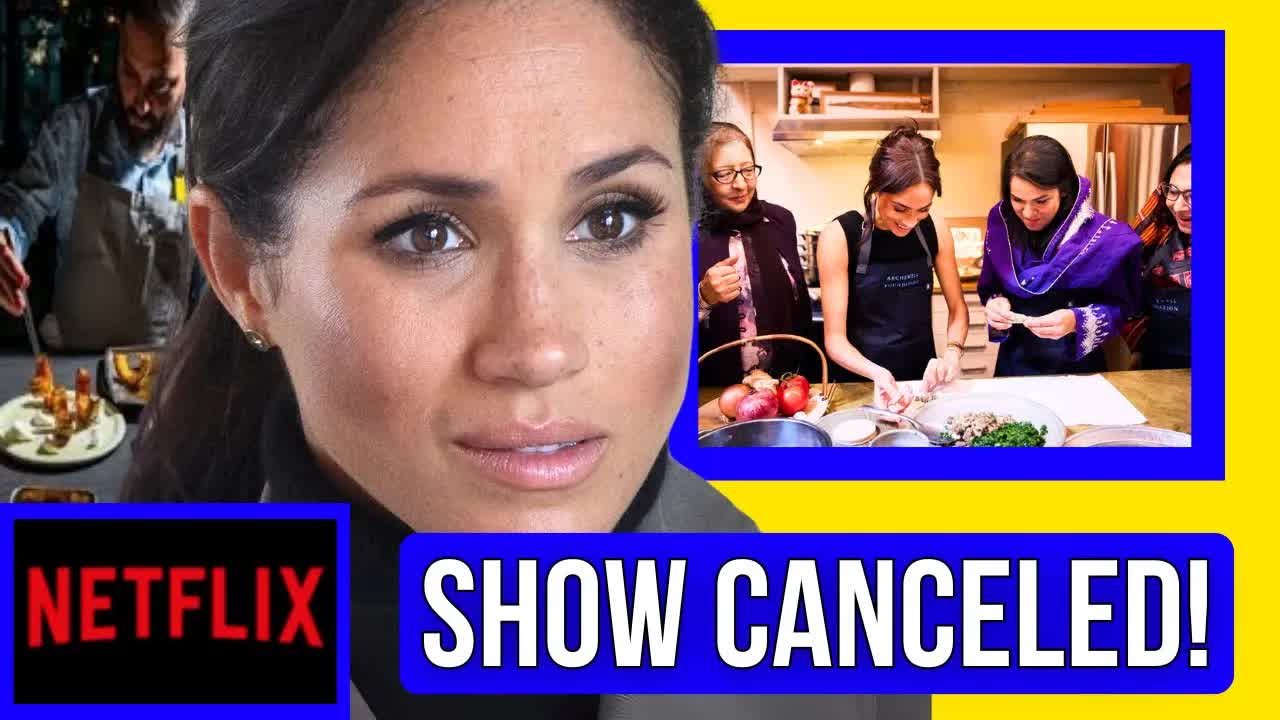
In a surprising turn of events, Netflix has officially canceled Meghan Markle‘s much-anticipated cooking show, following a storm of criticism from both viewers and culinary professionals.
Initially promoted as an engaging mix of personal anecdotes and gastronomy, the series fell short of expectations, leading to its swift demise.
Instead of inspiring audiences with heartfelt stories intertwined with cooking, the show was criticized for being superficial and lacking real culinary depth.
Esteemed chefs, including several James Beard Award winners, expressed disappointment, noting that the focus seemed to be more on Meghan’s celebrity status than on showcasing genuine culinary skills.
Right from the start, the program struggled to find its footing, with many questioning Meghan’s credentials and ability to host a cooking show without any formal training in the culinary arts.
Social media quickly became a hotbed of criticism, with users and industry experts alike questioning her authority as a host.
Many felt that Meghan’s role resembled more of a celebrity endorsement rather than a sincere effort to share cooking knowledge.
Some critics argued that the show’s downfall was inevitable due to its excessive focus on Meghan’s persona, overshadowing the core elements of culinary expertise that viewers were hoping for.
The backlash from the culinary community was particularly intense.
Renowned chefs voiced their frustration, accusing the show of catering to celebrity culture while neglecting the true artistry of cooking.
One chef even remarked that the series was “all flash and no flavor,” highlighting the lack of authentic culinary education presented in the episodes.
This sentiment resonated with audiences who felt a disconnect, expecting a genuine blend of storytelling and food but instead finding themselves alienated by the content.
Meghan’s high-profile image appeared to eclipse the intended focus of the show, making it challenging for viewers to connect with the narratives being shared.
Her perceived disconnection from the culinary world only fueled skepticism, prompting questions about her selection as the host in the first place.
In a time where authenticity is paramount in cooking shows, audiences are increasingly drawn to hosts who possess a genuine passion for food or relevant expertise.
The online response was swift, with social media platforms inundated with memes and critical reviews mocking the series.
Conversations on Twitter and Instagram highlighted Meghan’s lack of culinary knowledge, leading many to question the very premise of the show.
What was meant to be a creative exploration of personal stories through cooking quickly morphed into a symbol of celebrity excess and superficiality.
The cancellation of Meghan’s cooking show marks a pivotal moment for Netflix, reflecting the platform’s trend of rapidly eliminating underperforming content in an increasingly competitive streaming landscape.
As original programming surges and the pressure mounts to captivate audiences, the decision to cancel this show was both quick and resolute.
In a ruthless market where content is scrutinized by critics and viewers alike, the show simply couldn’t withstand the scrutiny.
This incident raises broader questions about the future of celebrity-driven culinary programs.
Audiences are demonstrating a decreasing tolerance for productions that prioritize star power over authentic content.
As more cooking shows pivot towards genuine storytelling, featuring relatable hosts with real expertise, Meghan’s show’s failure serves as a cautionary tale for the industry.
The public’s preference for depth and authenticity over celebrity-centered productions that lack substance is becoming increasingly clear.
This situation may also indicate a shift in how streaming services approach projects featuring famous personalities.
While star power can attract initial attention, it’s evident that lasting success hinges on more than just fame.
Netflix’s prompt decision to cancel the show highlights the necessity of aligning content with audience expectations and the growing demand for authenticity in culinary programming.
Following the cancellation, discussions surrounding the viability of celebrity-driven cooking shows are likely to gain momentum.
Can a celebrity without culinary experience successfully lead such a program, or does the audience’s appetite for authenticity signal the decline of this genre?
For Meghan Markle, this cancellation represents yet another setback in her post-Royal endeavors, leaving many to speculate about her future projects and their potential reception.
The downfall of her cooking show serves as a stark reminder that in today’s media landscape, mere fame is insufficient to guarantee success.
Audiences are craving authenticity, passion, and expertise, especially in a field as personal and intricate as cooking.