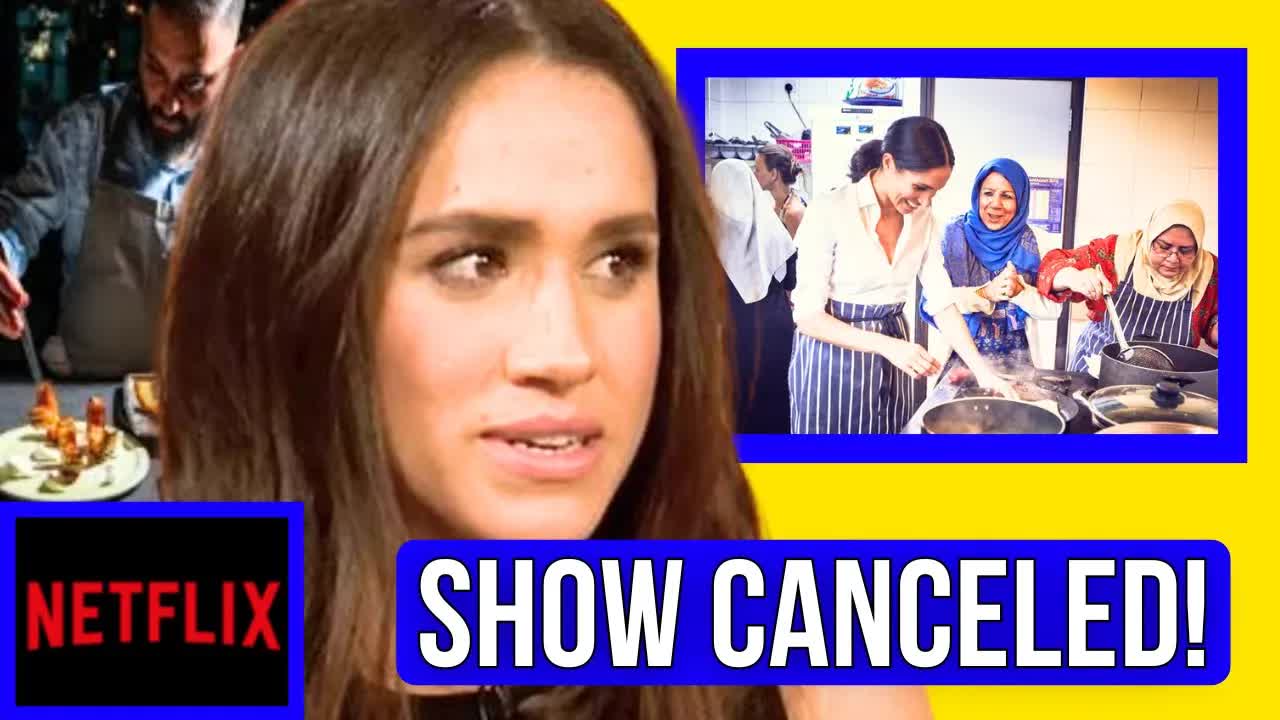
The recent cancellation of Meghan Markle‘s cooking series by Netflix has ignited a wave of public discontent, with many expressing their disappointment and frustration.
Originally envisioned as an innovative culinary program, the show ultimately failed to meet the high expectations set by both food enthusiasts and critics.
Prominent chefs and culinary experts were quick to voice their opinions, deeming the series a squandered opportunity that seemed to prioritize Markle’s celebrity over authentic cooking skills.
The criticism was particularly pointed regarding the show’s focus, which many felt leaned too heavily on Markle’s persona rather than showcasing the true artistry involved in cooking.
This backlash is indicative of a broader sentiment surrounding the rising trend of celebrity-led cooking shows.
Viewers are increasingly wary of productions that seem to sacrifice quality for star power.
Social media has become a vital platform for this discourse, with culinary influencers and everyday users alike taking to Twitter and Instagram to express their discontent.
As the news of the show’s shortcomings spread, hashtags like #CookingNotCelebrities and #BringBackRealChefs began trending, encapsulating the growing frustration among audiences.
Many commenters lamented the lack of genuine culinary content, comparing Markle’s venture unfavorably to programs hosted by skilled chefs who bring passion and expertise to the table.
Debates around the concept of authenticity versus celebrity in food programming have intensified.
Today’s viewers are on the lookout for shows that offer something fresh and engaging, both in terms of content and presentation.
With culinary giants like Anthony Bourdain, Gordon Ramsay, and Samin Nosrat setting high standards, Markle’s series appeared out of place in the evolving landscape of food television.
Even acclaimed chefs joined the chorus of disapproval, arguing that cooking shows should embody a love for food rather than merely showcase a famous face.
Their critiques extended beyond Markle herself, targeting a wider trend where media companies rely on celebrity status to mask a lack of culinary depth.
This collective sentiment points to a growing fatigue among audiences regarding entertainment that leans heavily on fame without providing substantial content.
The decision by Netflix to cancel the show underscores the fierce competition within the streaming industry, where captivating content is essential for attracting and retaining viewers.
In an era where streaming services are constantly vying for attention, it’s clear that productions must resonate with audiences on both critical and entertainment levels.
Shows that fall short are swiftly removed, and Markle’s series was no exception to this rule.
Looking ahead, this cancellation may signal a pivotal change in the industry.
With viewers voicing a strong preference for content that emphasizes authenticity and expertise, streaming platforms might start prioritizing culinary credibility in their programming choices.
As some commentators have noted, dropping Markle’s show could indicate a broader shift towards valuing skill and substance over mere celebrity appeal.
This evolution could ultimately benefit both viewers and the industry by fostering content that is engaging, informative, and genuinely reflective of the culinary arts.